
Schools today rely heavily on digital technology to support learning, communication, and administration. From online learning platforms and cloud-based applications to student information systems, educational institutions manage vast amounts of sensitive data every day. As cyber threats continue to evolve, schools have become increasingly attractive targets for cybercriminals.
Protecting student records, financial information, and educational resources requires more than basic security measures. Choosing the right cyber security for schools can strengthen their defenses, maintain compliance, and ensure a safe digital learning environment. Here are the key factors schools should consider when selecting a cyber security partner.
Understand Your School's Security Needs
Before evaluating service providers, schools should identify their specific cybersecurity requirements. Every institution has unique technology infrastructure, user needs, and risk factors.
Consider questions such as:
How many students and staff members access the network?
What types of sensitive data are stored?
Are cloud based applications being used?
Does the school support remote or hybrid learning?
Understanding these requirements will help narrow down providers that offer solutions tailored to educational environments.
Look for Experience in the Education Sector
 Cybersecurity challenges in schools differ from those in other industries. Educational institutions must balance accessibility with security while protecting students, faculty, and administrative systems.
A provider with experience serving schools will better understand:
Student data privacy requirements
Education technology platforms
Network security challenges in schools
Compliance obligations
Budget limitations common in education
Ask potential providers about their experience working with schools and educational organizations.
Evaluate Their Range of Security Services
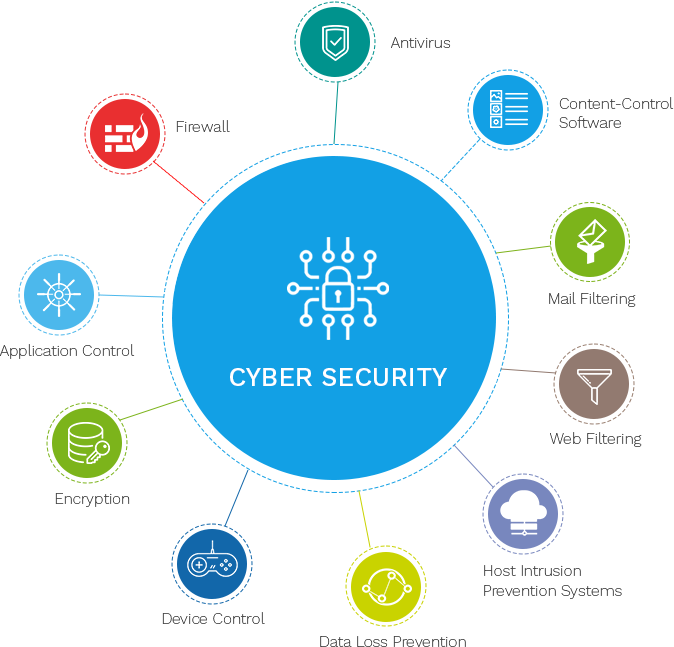
Cybersecurity is not a one size fits all solution. The best providers offer comprehensive protection that addresses multiple areas of risk.
Key services may include:
Network security monitoring
Endpoint protection
Email security
Firewall management
Vulnerability assessments
Security awareness training
Incident response planning
Data backup and recovery
Cloud security management
A provider that delivers a complete security strategy can help schools reduce vulnerabilities across their entire digital ecosystem.
Assess Their Threat Detection and Response Capabilities
Cyber threats can occur at any time, making continuous monitoring essential. Schools should look for providers that offer proactive threat detection and rapid incident response.
Important capabilities include:
24/7 security monitoring
Real-time threat alerts
Automated threat detection
Security operations center (SOC) support
Incident investigation and remediation
The faster threats are identified and addressed, the lower the potential impact on school operations.
Prioritize Data Protection and Compliance
Schools are responsible for safeguarding sensitive student and staff information. A strong cybersecurity provider should have clear processes for protecting data and maintaining compliance with relevant regulations.
Ask providers how they handle:
Data encryption
Access controls
Secure backups
Data retention policies
Regulatory compliance requirements
Strong data protection practices help minimize the risk of breaches and unauthorized access.
Review Their Security Training Programs
Human error remains one of the leading causes of cybersecurity incidents. Staff members and students must understand how to recognize threats such as phishing emails, suspicious links, and social engineering attacks.
The best cybersecurity providers offer ongoing training programs that help create a security conscious culture throughout the school community.
Effective training should include:
Phishing awareness
Password security best practices
Safe internet usage
Device security guidelines
Incident reporting procedures
copyrightine Their Scalability
Technology needs often change as schools grow and adopt new digital tools. A cybersecurity provider should be able to scale services alongside the institution's evolving requirements.
Consider whether the provider can support:
Additional campuses
Increased student enrollment
New learning technologies
Expanded cloud infrastructure
Future cybersecurity needs
Scalable solutions help schools avoid costly security overhauls later.
Check References and Client Testimonials
A provider's reputation can reveal a great deal about their service quality and reliability.
Look for:
Client testimonials
Case studies
Online reviews
References from educational institutions
Speaking directly with existing clients can provide valuable insights into response times, service quality, and overall customer satisfaction.
Understand Their Support Structure
Cybersecurity incidents can happen unexpectedly. Schools need a provider that offers responsive and reliable support when issues arise.
Questions to ask include:
Is support available 24/7?
What are the average response times?
How are emergencies handled?
Is there a dedicated account manager?
Strong support can significantly reduce downtime and operational disruptions during security incidents.
Compare Value Rather Than Cost Alone
While budget considerations are important, schools should focus on overall value rather than selecting the cheapest option. A lower-cost provider may lack critical services or expertise needed to protect sensitive information effectively.
Evaluate providers based on:
Service quality
Security expertise
Technology capabilities
Support availability
Long term reliability
Investing in a trusted cybersecurity partner can help prevent costly breaches and operational disruptions in the future.
Conclusion
As schools continue to embrace digital learning and connected technologies, cybersecurity has become a critical priority. Selecting the right cyber security service provider requires careful evaluation of expertise, service offerings, support capabilities, and educational experience.
By choosing a provider that understands the unique needs of schools and offers comprehensive protection, educational institutions can create a safer digital environment for students, teachers, and staff while supporting uninterrupted learning and administrative operations.
Frequently Asked Questions
1. Why is cyber security important for schools?
Cyber security is important for schools because they store sensitive student and staff data, use digital learning platforms, and rely on connected systems that can be targeted by cyberattacks.
2. What does a cyber security service provider do for schools?
A cyber security service provider for schools protects networks, secures student data, monitors threats, prevents cyberattacks, and ensures safe digital learning environments.
3. How can schools improve their cyber security?
Schools can improve cyber security by using strong passwords, training staff and students, installing security software, and partnering with a reliable cyber security service provider.
4. What are the biggest cyber threats for schools?
Common threats include phishing attacks, ransomware, data breaches, malware, and unauthorized access to school systems.
5. How do I choose the best cyber security service provider for a school?
Schools should look for providers with education sector experience, strong threat detection systems, compliance knowledge, 24/7 support, and scalable security solutions.